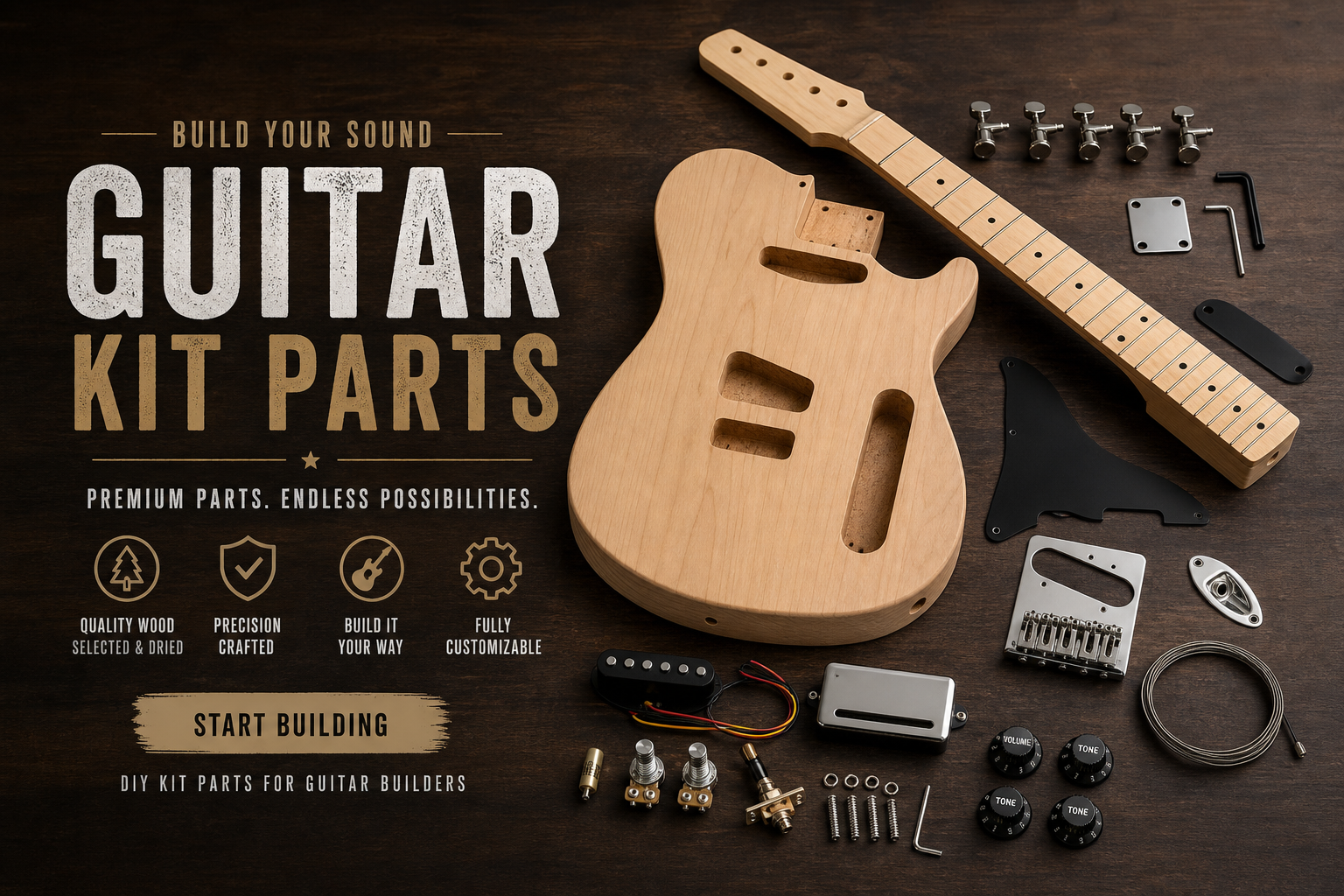
Fojill guitar kit parts laid out on a workbench

Build your tone at home

Matched bodies, necks and hardware with the same templates we use in the workshop.

See prices & availability

Build-your-own kits

Fojill DIY kits to start building.

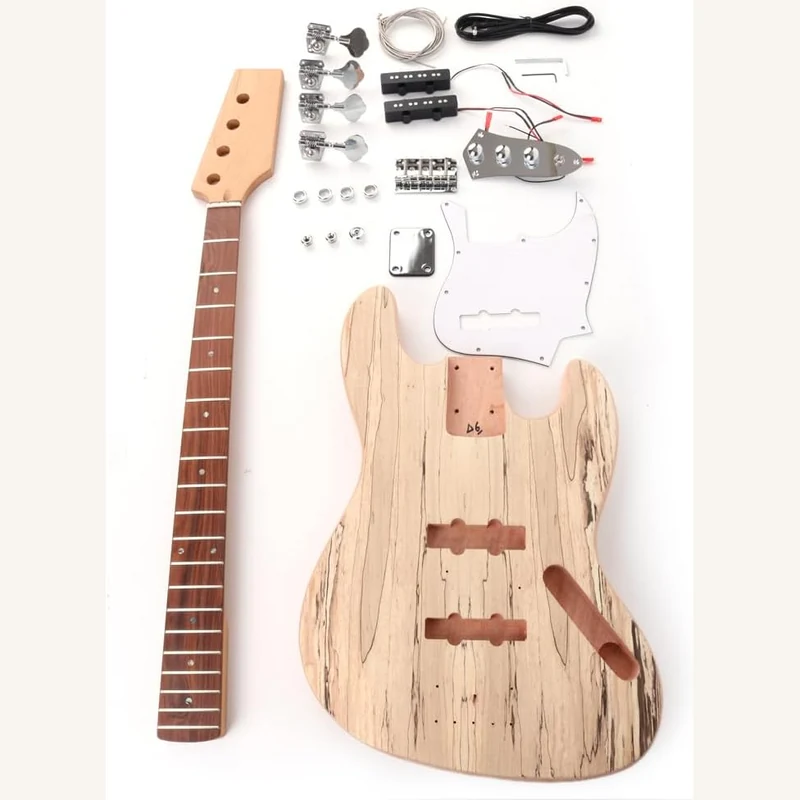
Fojill FJBK-60SR DIY bass guitar kit

FJBK-60SR Kit

Spalted-maple J-style bass kit with pickups, bridge, and labeled hardware bags for step-by-step assembly.

Check Price
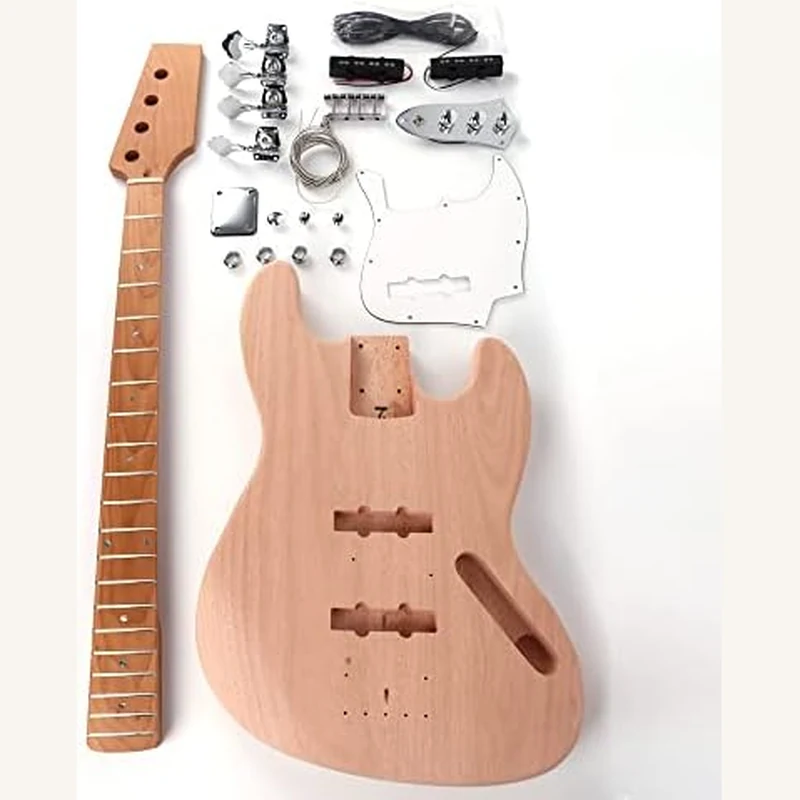
Fojill FJBK-60M DIY electric guitar kit

FJBK-60M Kit

Mahogany S-S style kit with unfinished body and maple neck ready for your custom finish.

Check Price
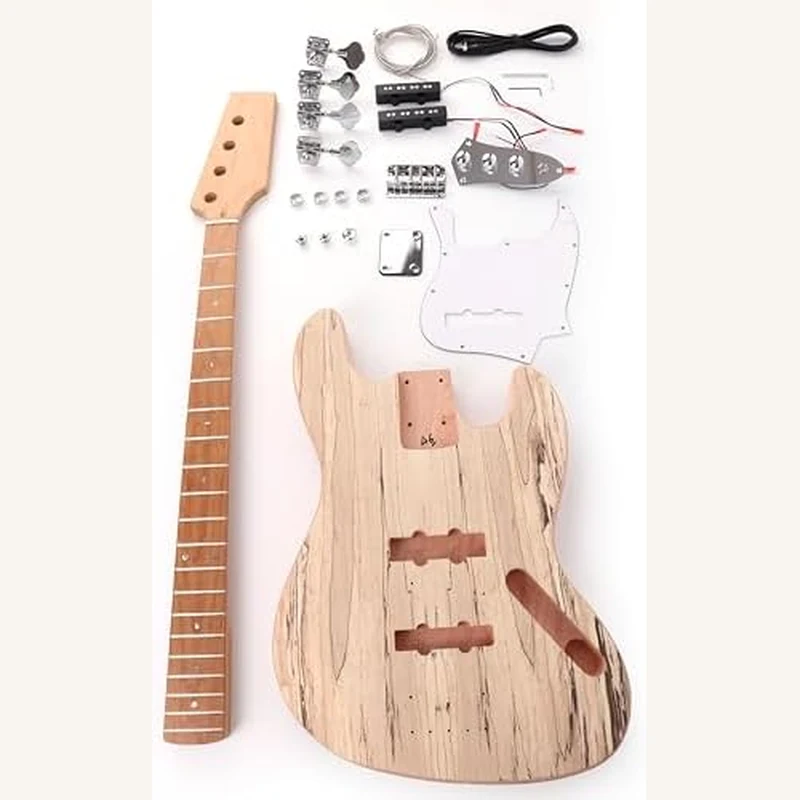
Fojill FJBK-60MS DIY guitar kit with spalted maple

FJBK-60MS Kit

Spalted-maple DIY kit pairing a matched neck pocket with chrome hardware for a unique build.

Check Price
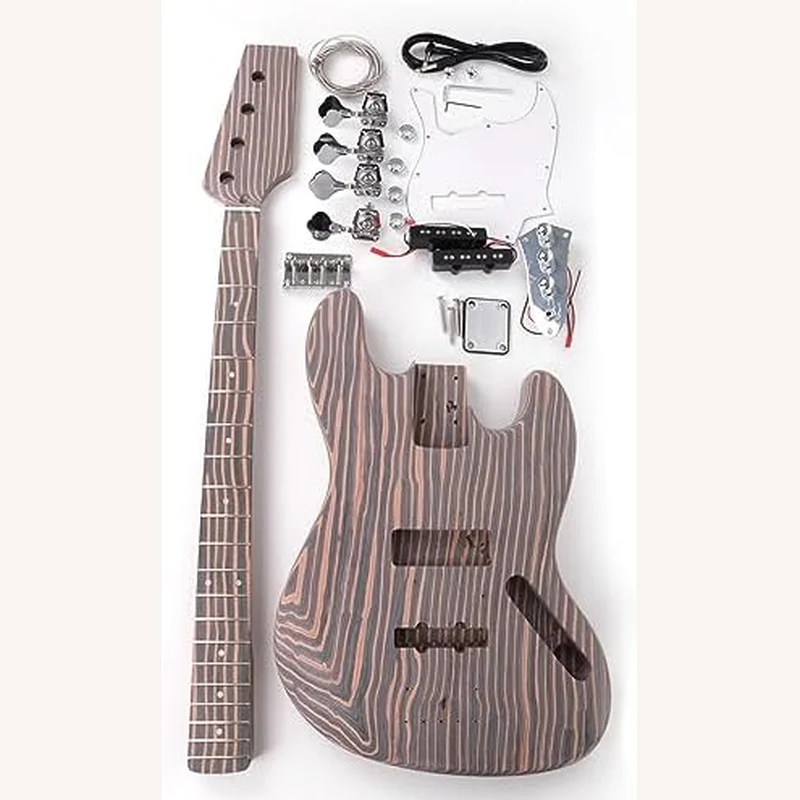
Fojill FJBK-60ZR DIY relic-style guitar kit

FJBK-60ZR Kit

Relic-ready DIY kit with pre-routed mahogany body and maple neck for vintage-inspired projects.

Check Price

Why kits belong here

Fojill guitar kits grew out of repair bench requests: players wanted bodies and necks that fit without shims, plus wiring diagrams that matched how we build complete instruments. Every kit uses the same pocket templates as our shop guitars.

We include a setup checklist — nut slot depths, suggested action at the 12th fret, and truss relief targets — so your first build does not become a YouTube roulette project.

Tools you will want

A soldering station with adjustable heat, radius blocks for frets if you choose a luthier kit, and a cheap string action gauge beat guessing by eye. We link recommended tools in the guide without affiliate noise — buy what fits your budget.

Finishing supplies are not included on raw body kits: plan for grain filler on open-pore ash, masking tape that does not bleed, and a ventilated space. Rushing nitro in a cold garage creates blush we cannot fix by email.

Skill levels we design for

Starter boxes assume you own basic screwdrivers, a soldering iron, and patience. Premium and luthier kits expect you to own radius blocks or know a tech who does. We label each box honestly so you do not order a half-finished instrument you are not ready to complete.

Hardware and compatibility

Bridge posts, tuners, and pickguards ship pre-drilled where possible. Hardware-only kits help you rescue a body you already love — great when a tour knock-in damaged a trem but left good wood.

Body-only kits let you choose pickups from our wound sets or your favorite aftermarket maker. We publish cavity depth and wire channel maps so you are not guessing where heat shrink should stop.

Finishing and final setup

Raw bodies arrive sanded to 220 with grain raised and ready. If you are spraying nitro for the first time, our guide covers humidity windows and flash times. Email us photos if orange peel shows up — we have saved many first finishes.

When to buy complete

If you need a gig guitar in weeks not months, a finished Telecaster ships faster than a first kit build. Kits win when you want to learn every screw and still end on a instrument you trust.

Common first-build wins

Owners report the highest satisfaction when they slow down on neck bolt torque — alternating screws until gap is even — and when they test continuity before strings go on. Our wiring diagrams use color labels that match the wire shipped in the bag, not generic schematic ghosts.

Premium kits with pre-wired pickguards cut soldering time for players who still want to learn setup. Luthier kits assume you will radius-fret or know a tech who will — we do not pretend stainless fretwork is a Saturday afternoon if you have never leveled before.

Support from the bench

Stuck on a ground loop hum? Send a photo of your control cavity. Wondering if your neck pocket shim is too thick? We will measure against our CAD template. That support is included because kits are how many players discover our complete guitars later.

Bottom line

A good kit should remove mystery, not add it. These four packages are the same parts we reach for on the bench — just boxed for your kitchen table or garage shop.

Shipping and parts layout

Kits ship double-boxed with neck and body in separate foam bays. Hardware bags are labeled by assembly step — bridge hardware in bag two, electronics in bag three — so you are not dumping screws on a towel and guessing order.

Missing a part? Email with the bag label photo. We overnight replacements domestically because a stalled build kills momentum faster than a tricky solder joint.

Budget a weekend for starter kits, a month for luthier boxes with new fretwork. Rushing usually shows up as chipped finish or cold solder joints that hum when the lights dim. Patience is a tool in the same bag as your iron.

Write us with your use case — wedding band, worship stage, home recording — and we will point to the build that matches load-in weight, neck carve, and pickup output without upselling hardware you will never touch.

Kit builders should mention prior experience so we can recommend the right box — starter, premium, or luthier — before you checkout.

← HomeTelecasterWho Makes

Marcus Hale has shaped necks and written about boutique electrics for eighteen years. Reviews and guides here remain editorial and independent.