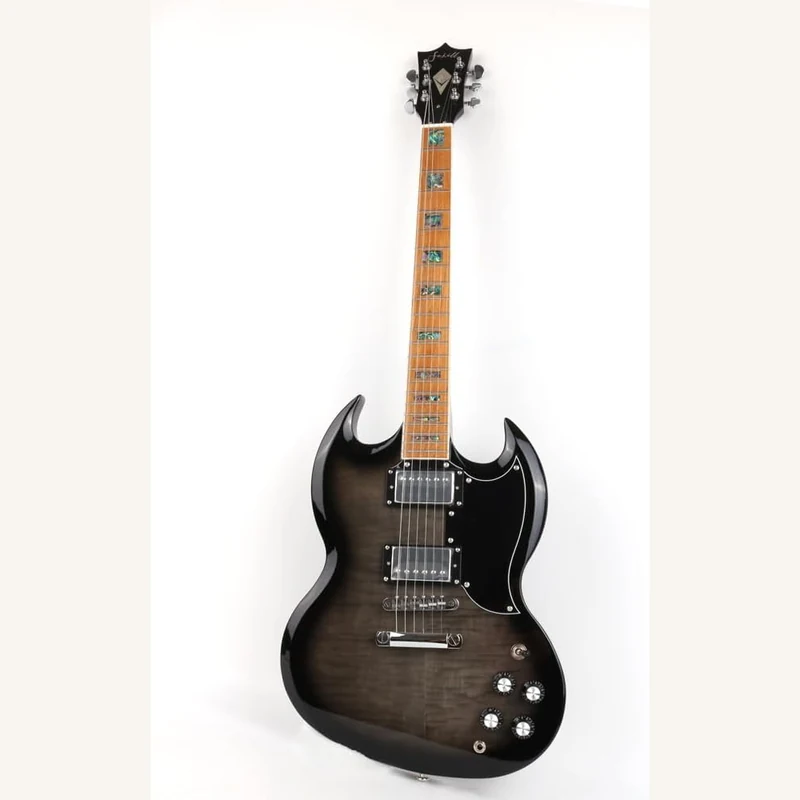
Neck and fret discipline
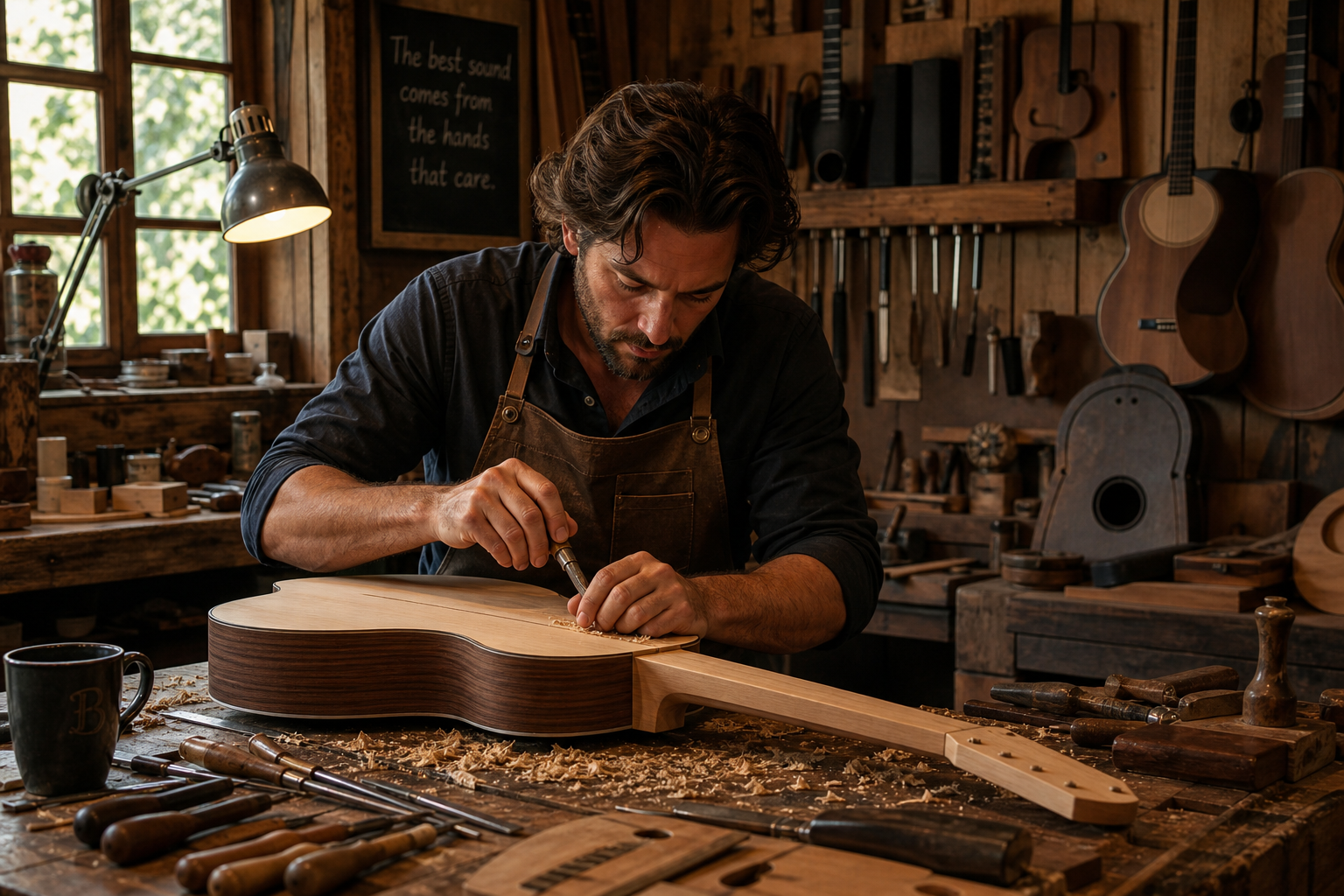
Necks are carved by hand with templates as guides, not CNC-only output. Fretwire is leveled under tension, crowned, and polished until a nickel slides without grab. That work is why players mail us photos from tour with still-true intonation.
Finish room standards
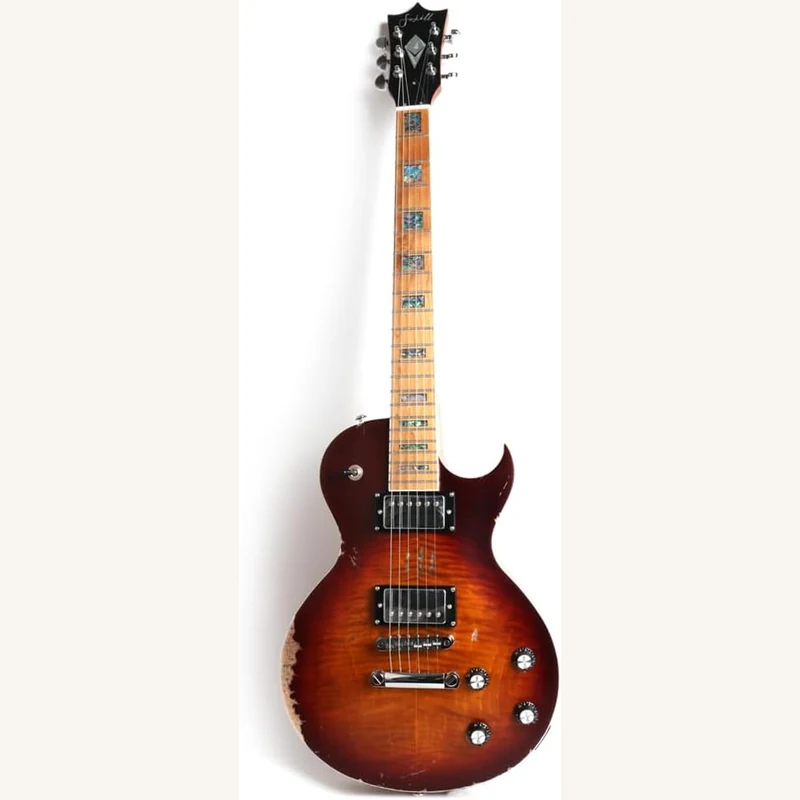
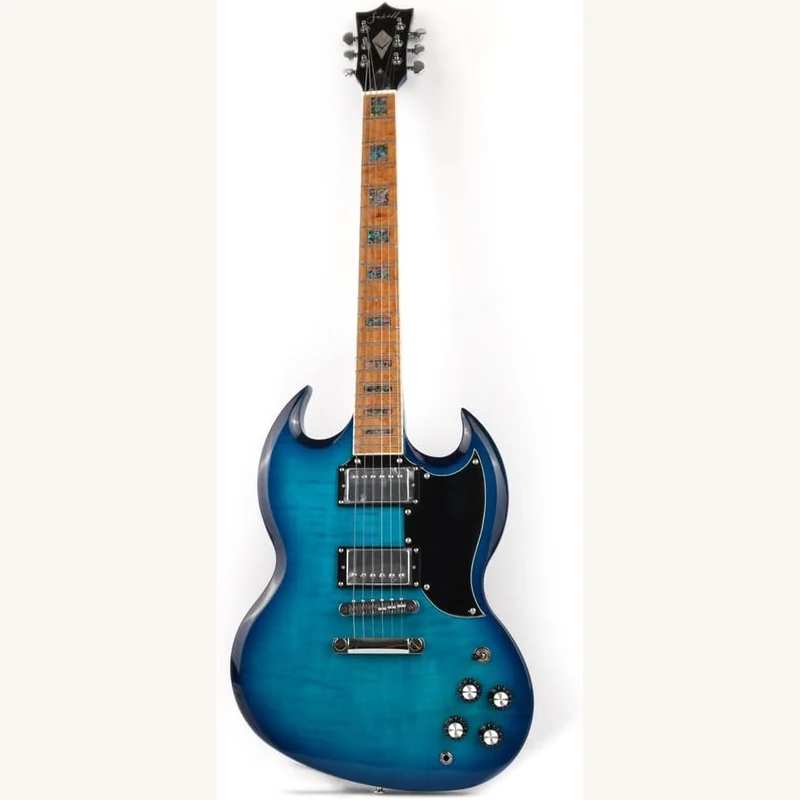
Spray booths filter dust you cannot see. Sunburst models get masked in natural light so transitions read correctly outdoors, not just under fluorescent shop tubes. We reject runs that many factories would pass.
Pickup winding partners
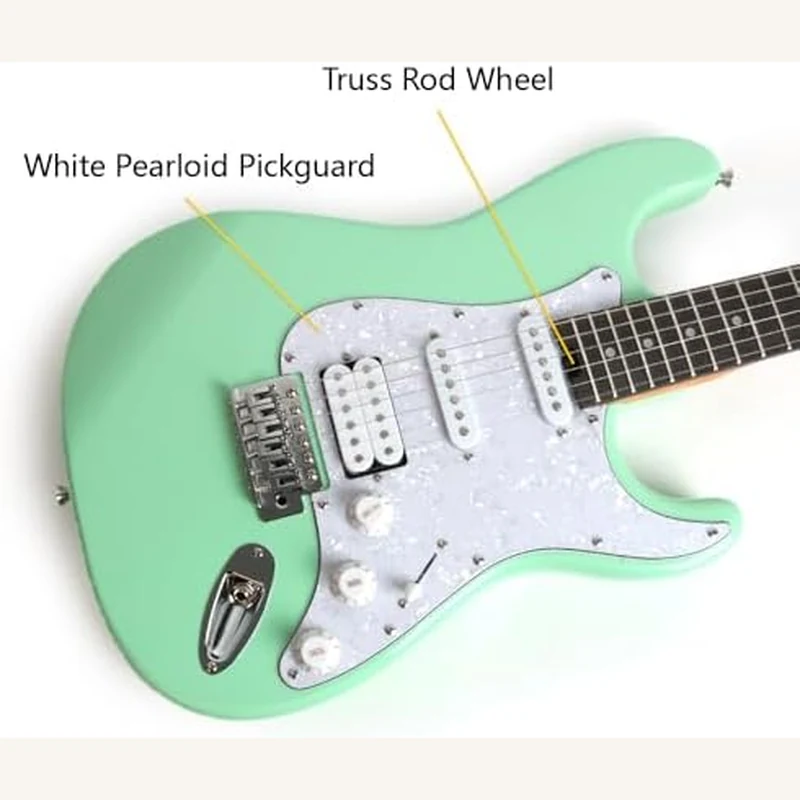
Singles and sets are wound to our specs by a regional partner who still counts turns by ear on reference rigs. We pot and test every batch before they hit the assembly bench. Consistency beats hype when you are matching a bridge pickup to a rhythm track.
Quality control before cases close
Each guitar gets a final play-through through a DI and a small amp, plus a mechanical once-over for loose screws and sharp fret ends. Serial numbers link to builder initials and setup measurements.
Training and apprentices
New bench hires start on kit QC and fret dressing before they touch custom colors. That sounds conservative, but it keeps the error rate low when a touring player needs a backup in two weeks.
Finishers learn sunburst masking on scrap bodies until transitions pass daylight review. Pickup testing rotates through the team so no single ear becomes a bottleneck. Cross-training means your guitar does not wait on one vacation schedule.
Materials sourcing
Alder and ash lots are inspected for weight and knot placement. Roasted maple comes from suppliers who document kiln curves — we reject necks that smell overly baked or show brittle grain. Hardware orders batch-tested for plating pits that chew strings.
Why transparency matters
Players ask who makes their guitar because marketing stories outran reality in this industry. We put builder initials on the setup card and keep photos of the bench on the reviews page context notes. You should know whose hands shaped your neck.
Visit in spirit
We do not run a retail showroom, but email info@fojillguitar.com with questions — you will reach someone who actually sanded wood that week. That is who makes Fojill guitars.
We keep a repair slot open each month for guitars we built — not a revenue center, a relationship. Refret quotes are honest about turnaround because we will not rush a tour guitar into a wet finish window.
Walk through the shop on pickup day and you will see initials on every case tag — not a mystery warehouse pull. That culture is why we cap monthly builds instead of scaling into a name-only brand.
Write us with your use case — wedding band, worship stage, home recording — and we will point to the build that matches load-in weight, neck carve, and pickup output without upselling hardware you will never touch.