
Fojill Telecaster lineup on a studio guitar stand

Telecasters built to cut through

Hand-voiced ash and alder bodies, roasted necks, and player-first setup on every Fojill Tele.

See prices & availability

Single-coil & T-style picks

Fojill models for Tele players.

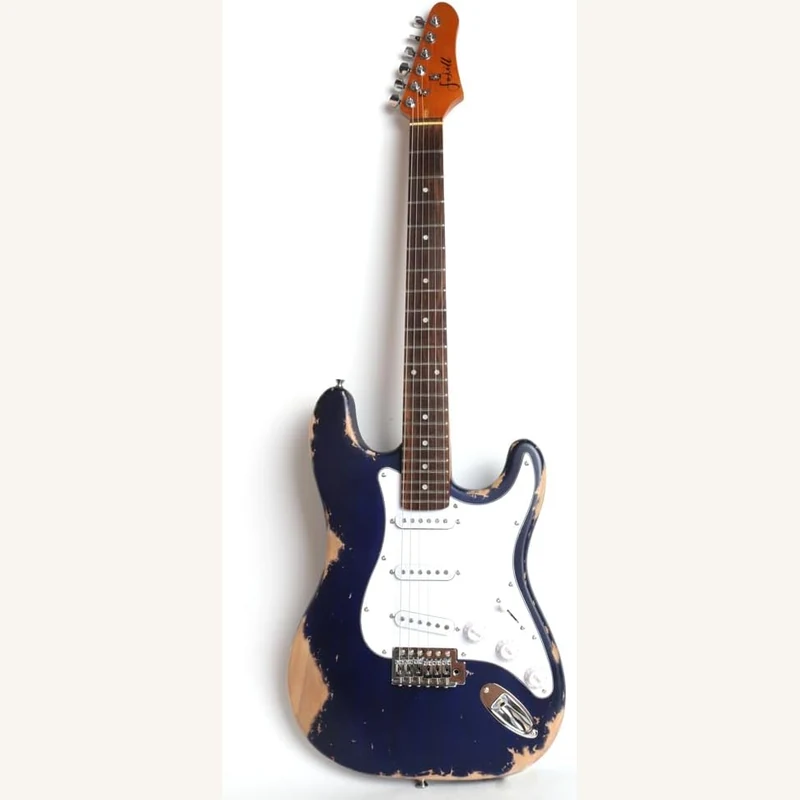
Fojill FSTR-50 Vintage Relic Phoenix electric guitar in sapphire blue

FSTR-50 Phoenix

Hand-relic phoenix-body single-coil guitar with rosewood fretboard and vintage worn finish.

Check Price
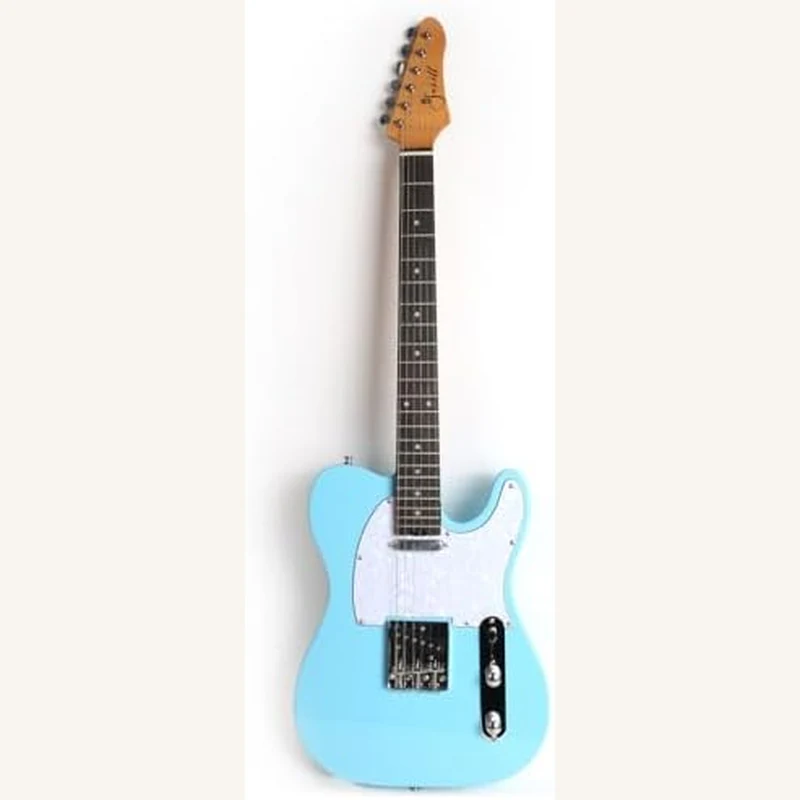
Fojill FCG-50 electric guitar in metallic blue with gig bag

FCG-50 Metallic Blue

Lightweight paulownia T-style in metallic blue with gig bag, strap, and cable for first gigs.

Check Price
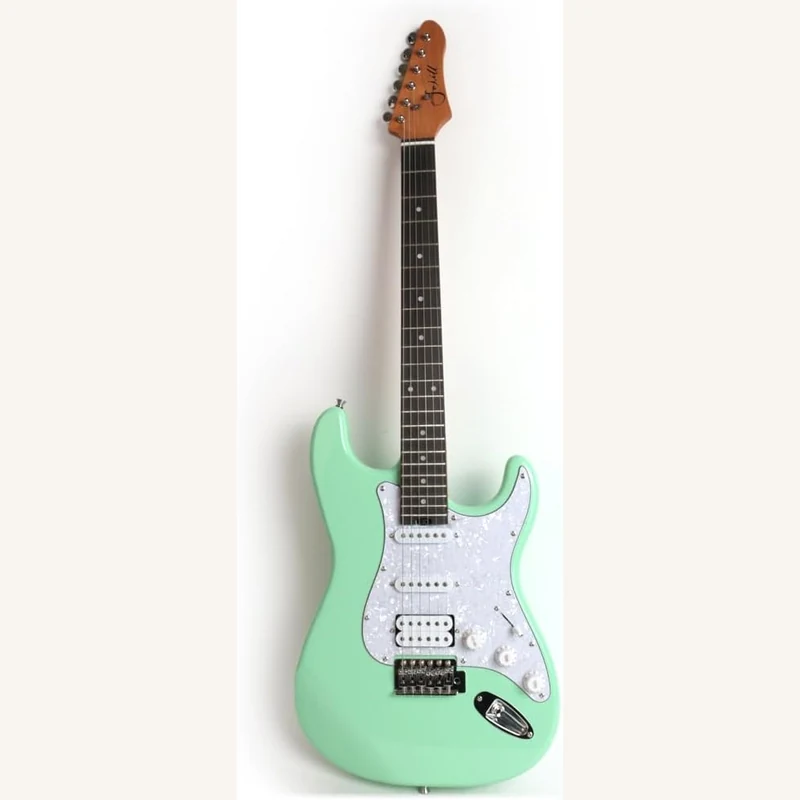
Fojill FST-60 green electric guitar with gig bag

FST-60 Green

Player-ready HSS model with roasted maple neck, bone nut, and included padded gig bag.

Check Price
Fojill FSTR-60 Heavy Relic green strat-style electric guitar

FSTR-60 Heavy Relic

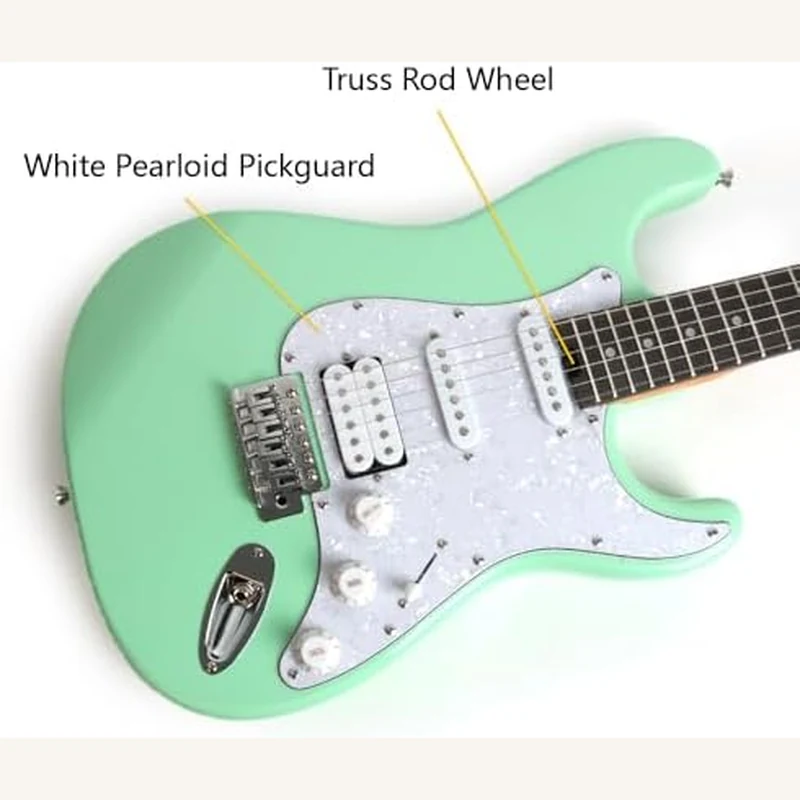
Heavy-relic elm-body Strat with HSS pickups, stainless frets, and pearloid pickguard.

Check Price

Why Telecasters anchor our line

The Fojill Telecaster family exists because working players still ask for a bolt-on that cuts through a band without shrill top end. We start with lightweight alder or resonant ash, chamber only when weight demands it, and voice bodies with a tap test before any primer hits grain.

Bridge pickup clarity matters for country pickers and indie rhythm guitarists alike, so we wind singles with staggered pole pieces and offer steel or brass saddles depending on how much snap you want on the wound strings.

Body woods and weight

Alder gives balanced mids for club PA systems that roll off lows aggressively. Ash adds bite for chicken-pickin and bright room reflections. We publish target weights on every listing because eight-pound Tele nights are real and avoidable.

Thinline builds use mahogany backs for warmth without feedback chaos. Block placement is measured, not guessed — session players told us where hollow guitars howl, and we moved the block until lead lines stayed controllable at stage volume.

Hardware that stays put

Brass saddles add sustain and a slightly softer attack; steel keeps twang explicit. Tuners are sealed where tour humidity swings, and string trees are polished so bends do not snag on rough plating.

Neck carve and playability

Our default carve sits between a vintage C and a modern soft V — enough shoulder for thumb anchor during barre work, not so chunky that open-position chords fatigue your wrist on long writing nights.

Roasted maple necks resist seasonal movement in tour cases. We dress fret ends under magnification and roll binding where models include it, because a Tele should feel fast without boutique price theater.

Electronics and shielding

Control cavities get copper shielding and treble-bleed networks tuned per pickup set. We document capacitor values on the setup sheet so your tech can reproduce the feel after a pot swap.

Four-way switching and series options appear on Deluxe and Custom builds. If you live on the neck pickup for clean verses, we voice the front coil slightly darker so you are not fighting mud when the drummer opens up.

Finishes that age honestly

Nitrocellulose sunbursts breathe and check like vintage examples without hiding ash grain. Thinline models get natural binding and semi-hollow feedback control via block placement — not guesswork.

Choosing your build

Start with the Player if you want a daily workhorse. Step to Americana for roasted necks and brass hardware. Custom orders open the full color book and pickup menu. Read our reviews page for stage notes on each variant.

Stage and studio notes

Players tell us the bridge pickup sits forward in mixes without harsh 3 kHz peaks — useful when you share one SM57 on a cramped stage. Neck position cleans up with a slight treble bleed so volume rolls do not mud your chords.

Split tracking? Coil splits on Deluxe builds give pseudo-humbucker warmth for doubled rhythms. Single-coil purists still gravitate to the Player and 52 models for unfiltered snap.

Ordering and lead times

Stock finishes ship in four to six weeks. Custom colors queue behind humidity-stable spray days — we would rather delay than ship checked clear coat. Email info@fojillguitar.com with neck carve references and we will confirm fit before you pay.

If you are comparing us to warehouse brands, remember you are buying bench time: fret dress, shielded cavities, and a setup card signed by a tech who plays. That is the difference you feel at the first chorus.

In summary

A Fojill Tele is built to stay in tune on a outdoor stage, survive van humidity, and still feel inspiring on a Sunday morning. That is the bar every model below has to clear before it ships.

Pickup voicing details

Bridge pickups use slightly taller stagger on the G pole to tame steel-string brightness without losing pick attack. Neck pickups get wider wire spacing for smoother chords under chorus pedals. DC resistance is printed on the card — not because ohms tell the whole story, but because mismatched pairs show up fast in session swaps.

If you ride compression hard, ask for the slightly underwound bridge option. It keeps note bloom without fizz when you dig in. Clean jazz players often request the neck-only treble bleed bypass — we solder it on a toggle you can ignore until you need it.

← HomeGuitar KitsReviews

Marcus Hale has shaped necks and written about boutique electrics for eighteen years. Reviews and guides here remain editorial and independent.